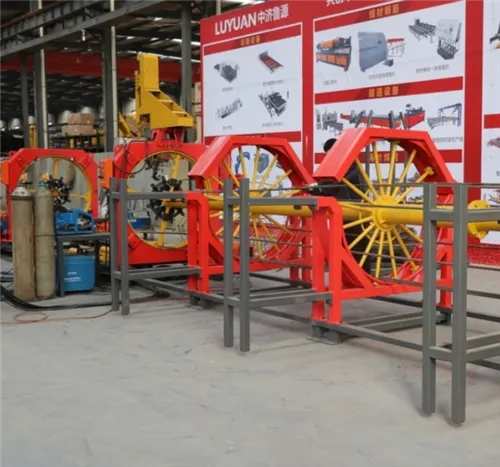
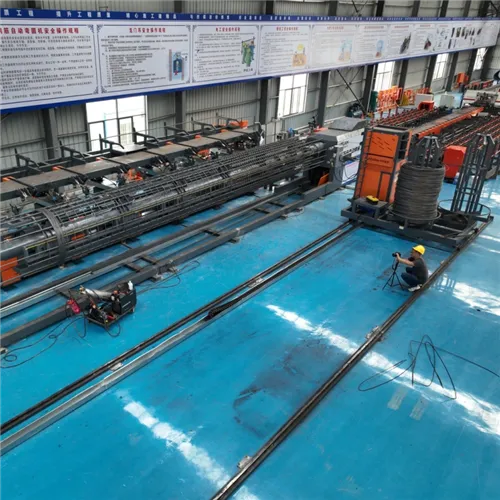
In construction engineering, steel bars are like the bones of a structure, and their manufacturing quality directly determines the load-bearing capacity and durability of the structure. From raw material inspection to finished product formation, the precision control of each process is an invisible defense line for safeguarding construction safety. This article, based on the "Code for Acceptance of Construction Quality of Concrete Structures" (GB50204-2015) and industry practice, systematically analyzes the full process technology and quality standards of steel bar manufacturing, providing precise guidelines for on-site construction.
I. Scope of Application and Core Material Requirements
Steel bar manufacturing is applicable to the steel bar processing stage of all types of reinforced concrete structures, covering the straightening, cutting, and bending forming of grade I, II, III, and IV hot-rolled steel bars and prestressed steel bars. The core material requirements are as follows:
Raw material quality: Steel bars must have factory certificates of conformity and on-site retest reports. Their mechanical properties (yield strength, tensile strength, elongation) and weight deviation must comply with the GB1499 series standards. Imported steel bars also need additional chemical composition analysis to ensure that the carbon, sulfur, and phosphorus content meets the standards.
Appearance requirements: The surface of steel bars must not have cracks, scars, or folds. Local protrusions must not exceed the height of the ribs. The rib patterns of ribbed steel bars must be clear and complete to avoid affecting the grip with concrete due to rolling defects.
II. Full Process of Construction: From Raw Materials to Finished Products
1. Steel Bar Rust Removal: The First Line of Defense Against Hidden Hazards
Rust removal methods:
Mechanical rust removal: Use the rust removal function of the steel bar straightening machine or a dedicated rust removal machine (such as a wire wheel rust removal machine), suitable for large-scale rust removal.
Manual rust removal: Use steel wire brushes or sandpaper for manual grinding, suitable for local rust or areas that are difficult to reach by machinery.
Chemical rust removal: Use acid washing (10% to 15% hydrochloric acid solution), and after treatment, rinse with clean water and dry. Residual acid must be strictly avoided to prevent corrosion of the steel bars.
Quality requirements: After rust removal, the surface of the steel bars must be free of visible rust. Minor rust spots must not affect the cross-sectional dimensions of the steel bars (deviation ≤ 0.1d, d is the diameter of the steel bar).
2. Steel Bar Straightening: The Key Step to Ensure Linear Accuracy
Straightening methods:
Mechanical straightening: Use a straightening machine (numerical control straightening machines have higher precision), with the straightness deviation of the straightened steel bars ≤ 1mm/m.
Cold drawing straightening: Only applicable to grade I steel bars, with a cold drawing rate control: ≤ 4% for grade I steel bars, ≤ 1% for grades II and III; cold drawing is strictly prohibited for the lifting rings of prestressed steel bars.
Precautions: After straightening, the surface of the steel bars must not have obvious scratches (scratch depth ≤ 0.2mm), otherwise they must be downgraded or scrapped.
3. Steel Bar Cutting: Precise Control of Length Error
Cutting principles: Cut in the order of "long materials first, then short materials, and mix long and short", to reduce the waste of short ends. Before cutting, check the material list to ensure that the specifications and lengths of the steel bars are consistent with the design.
Equipment requirements: Use fully automatic cutting machines (precision ±1mm), with the blade gap adjusted to 0.5 to 1mm to avoid the formation of mallet-shaped or bent ends after cutting.
Allowable deviations: The length deviation of the cut steel bars ≤ ±10mm, and the qualified rate of the same batch ≥ 95%.
4. Steel Bar Bending and Forming: The "Shaping Technique" for Structural Skeletons
Bending parameters:
Bend diameter: For grade I steel bars with a 180° hook at the end, the bend diameter ≥ 2.5d; for grades II and III steel bars with 90° or 135° bends, the bend diameter ≥ 5d (d is the diameter of the steel bar).
Hook length: For grade I steel bars with a 180° hook, the straight section length ≥ 3d; for stirrups, the straight section length is ≥ 5d for general structures and ≥ 10d for seismic structures.
Allowable deviations for bending and forming:
Item Allowable Deviation Inspection Method
Full length of tension steel bars along the longitudinal direction ±10mm Steel ruler inspection
Bend position of bent-up steel bars ±20mm Steel ruler inspection
Inner net size of stirrups ±5mm Steel ruler inspection III. Quality Standards: Stringent Requirements Based on the Latest Specifications
Main Control Items:
The type, specification, and quantity of reinforcing bars must comply with design requirements. Reinforcing bars that fail the retest are strictly prohibited from use.
The mechanical properties of cold-drawn reinforcing bars (yield strength, elongation) must meet the design standards, and the cold-drawing records must be complete and traceable.
General Items:
Cleanliness of reinforcing bar surface: No oil stains, paint stains, or granular rust (reinforcing bars with pitting after rust removal are strictly prohibited from use).
Quality of bending and forming: No cracks or flaking, and no local necking at the bending point (section reduction rate ≤ 10%).
Acceptance Points:
Randomly select 3 reinforcing bars from each work shift to check the dimensional deviation. A pass rate of ≥ 90% is considered qualified.
Angle of stirrup hooks: 135° with a deviation of ≤ 5°, and the length deviation of the straight section is ≤ ± 5mm.
IV. Common Problems and Preventive Measures
Inaccurate cutting dimensions: Caused by errors in the cutting list or deviation in the positioning of the cutting machine. Prevention: Use a numerical control cutting machine, recheck the material list before cutting, and set up dedicated personnel for spot checks.
Insufficient hook angle: Due to a small bending diameter or deviation in the angle positioning of the bending machine. Prevention: Adjust the bending diameter of the bending core according to the reinforcing bar grade and regularly calibrate the angle scale of the bending machine.
Excessive cold drawing rate: Leads to reduced plasticity of the reinforcing bars and increased brittleness. Prevention: Use stress control during cold drawing (for grade I reinforcing bars, the cold drawing control stress is 280MPa), and monitor the elongation value in real time.