


Hey there! As a supplier of Electric Steel Bar Cut Lines, I've been getting a lot of questions lately about the cutting noise source analysis of these machines. So, I thought I'd share some insights based on my experience in the industry.
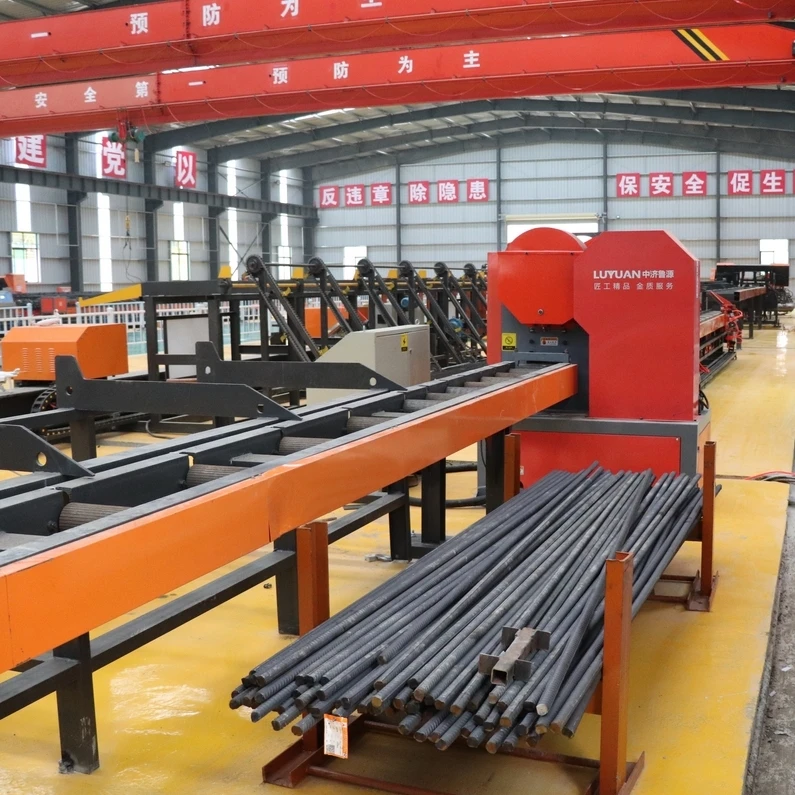
First off, let's talk about what an Electric Steel Bar Cut Line is. It's a machine used in construction and manufacturing to cut steel bars into specific lengths. These lines are essential for ensuring that the steel bars used in various projects meet the required specifications. You can learn more about our Electric Reinforcement Cut Line, Electric Steel Bar Shear Line, and Electric Steel Bar Cut Line on our website.
Now, onto the main topic - the cutting noise source analysis. When it comes to the noise generated by an Electric Steel Bar Cut Line, there are several factors at play.
Mechanical Friction
One of the primary sources of noise is mechanical friction. As the cutting blades come into contact with the steel bars, there's a significant amount of friction. The blades have to overcome the resistance of the steel, and this creates vibrations. These vibrations then translate into noise. For example, if the blades are dull or not properly aligned, the friction increases, and so does the noise.
The wear and tear of the mechanical components also contribute to friction-related noise. Over time, parts like bearings, gears, and guides can start to show signs of wear. This can lead to uneven movement and increased friction, resulting in louder cutting noises. Regular maintenance, such as lubrication and replacement of worn parts, can help reduce this type of noise.
Impact Forces
Another major source of noise is the impact forces generated during the cutting process. When the blades cut through the steel bars, there's a sudden impact. This impact sends shockwaves through the machine and the surrounding environment, creating a loud noise. The size and thickness of the steel bars being cut also affect the impact forces. Thicker and larger bars require more force to cut, resulting in stronger impact forces and louder noises.
The design of the cutting mechanism can also influence the impact noise. Some machines are designed to minimize the impact forces by using techniques like progressive cutting or shock absorption. However, even with these designs, there will still be some level of impact noise.
Vibration Transmission
Vibration transmission is closely related to the mechanical friction and impact forces. The vibrations generated by the cutting process are transmitted through the machine's structure. If the machine is not properly isolated from the floor or other surfaces, these vibrations can spread and amplify the noise. For instance, if the machine is placed on a hard, non - compliant surface, the vibrations can be transferred more easily, making the noise more noticeable.
To reduce vibration transmission, we often use vibration - damping materials. These materials can absorb and dissipate the vibrations, preventing them from spreading and reducing the overall noise level. Additionally, proper installation of the machine, including using anti - vibration mounts, can also help in minimizing vibration - related noise.
Electrical Components
The electrical components of the Electric Steel Bar Cut Line can also contribute to the noise. Motors, in particular, can be a source of noise. The electrical currents flowing through the motor windings create magnetic fields that cause the motor to rotate. This rotation can generate vibrations, which in turn produce noise. The quality of the motor and its design can affect the noise level. High - quality motors with better insulation and balanced rotors tend to be quieter.
Inverters and other control systems can also produce a certain amount of electrical noise. This noise is usually in the form of a high - pitched whine. However, modern electrical components are designed to minimize this type of noise, but it's still something to be aware of.
Airflow and Cooling
Many Electric Steel Bar Cut Lines have cooling systems to prevent overheating of the electrical and mechanical components. These cooling systems often involve fans or blowers. The movement of air through these fans creates noise. The size, speed, and design of the fans can all affect the noise level. Larger fans running at high speeds tend to be louder than smaller, more efficient ones.
The airflow around the machine can also contribute to noise. If there are obstructions or irregularities in the airflow path, it can create turbulence, which in turn generates noise. Ensuring proper ventilation and a smooth airflow path can help reduce this type of noise.
How We Address These Noise Sources
At our company, we take the issue of noise seriously. We've implemented several strategies to reduce the noise generated by our Electric Steel Bar Cut Lines.
First, we use high - quality cutting blades that are designed to minimize friction. These blades are made from advanced materials that can maintain their sharpness for longer periods, reducing the need for frequent blade replacements. We also pay close attention to the blade alignment during the manufacturing process to ensure smooth cutting and less noise.
In terms of impact forces, we've developed cutting mechanisms that are optimized for different bar sizes. Our machines use a combination of hydraulic and mechanical systems to control the cutting force, reducing the impact noise. We also incorporate shock - absorbing materials in the cutting area to dampen the shockwaves.
For vibration transmission, we use a combination of vibration - damping materials and anti - vibration mounts. Our machines are designed to be as self - contained as possible, with the structure engineered to absorb and dissipate vibrations. This helps in reducing the noise that would otherwise be transmitted through the floor and surrounding environment.

When it comes to electrical components, we source high - quality motors and control systems. These components are tested for noise levels during the manufacturing process, and we make sure to use the quietest options available. We also use proper insulation and shielding to minimize electrical noise.
For the cooling systems, we've invested in energy - efficient fans that are designed to operate quietly. We also optimize the airflow path within the machine to reduce turbulence and noise.
The Importance of Noise Reduction
Reducing the noise generated by an Electric Steel Bar Cut Line is not just about creating a more pleasant working environment. It also has several practical benefits.
From a safety perspective, high - noise levels can be a hazard. Prolonged exposure to loud noises can cause hearing damage to the operators. By reducing the noise, we're helping to protect the health of the people using our machines.
In addition, noise can be a nuisance in the surrounding area. If the machine is located in a residential or commercial area, excessive noise can lead to complaints from neighbors. By providing quieter machines, we're helping our customers avoid these types of issues.
Contact Us for a Quieter Solution
If you're in the market for an Electric Steel Bar Cut Line and are concerned about the noise levels, we'd love to hear from you. Our team of experts can provide you with detailed information about how our machines are designed to minimize noise. We can also offer customized solutions based on your specific requirements. Whether you need a machine for a small - scale project or a large - scale manufacturing facility, we have the right Electric Steel Bar Cut Line for you. Don't hesitate to reach out and start a conversation about your needs.
References
- "Handbook of Noise Control" by Cyril M. Harris
- "Mechanical Vibrations" by Singiresu S. Rao
- Industry reports on Electric Steel Bar Cut Line technology and noise reduction