


Hey there! I'm a supplier of rebar cage welding machines, and today I wanna talk about the vibration level of these machines during operation. It's a topic that doesn't get as much attention as it should, but it's super important for anyone using or thinking about buying a rebar cage welding machine.
First off, let's understand what a rebar cage welding machine is. If you're not familiar, you can check out these links: Reinforcement Cage Welding Machine, Steel Bar Cage Welding Machine, and Steel Bar Cage Welder. These machines are used to weld steel bars together to form cages, which are then used in construction projects like building foundations, bridges, and more.
Now, when it comes to the vibration level of a rebar cage welding machine during operation, there are a few things to consider. Vibration is a natural by - product of the welding process. The machine has moving parts, and the welding itself creates forces that cause vibrations. But why does the vibration level matter?
Well, for starters, excessive vibration can affect the quality of the weld. If the machine is shaking too much, it can cause the welds to be uneven, which might lead to weak spots in the rebar cage. This is a big no - no in construction, as the cages need to be strong and reliable to support the structures they're used in.
Another reason is the impact on the machine's lifespan. High - level vibrations can put extra stress on the machine's components. The gears, motors, and other parts have to work harder to keep up with the shaking, which can lead to premature wear and tear. This means more frequent repairs and replacements, which can be costly for the user.
Also, from a safety perspective, too much vibration can be a hazard. It can make the machine unstable, increasing the risk of it tipping over or malfunctioning during operation. This can endanger the operators and other workers on the site.
So, what factors influence the vibration level of a rebar cage welding machine?
One of the main factors is the design of the machine. A well - designed machine will have features that help reduce vibration. For example, some machines are built with shock - absorbing materials in key areas. These materials can dampen the vibrations and prevent them from spreading throughout the machine. The layout of the components also matters. If the parts are properly balanced and arranged, it can minimize the vibrations caused by the movement of the machine.
The type of welding process used is another factor. Different welding methods generate different levels of vibration. For instance, some high - energy welding processes might create more intense vibrations compared to others. The settings of the welding machine, such as the welding current and voltage, can also affect the vibration level. If the settings are too high, it can cause the machine to vibrate more.
The quality of the steel bars being welded is also important. If the bars are of poor quality, they might not fit together properly, which can cause the machine to work harder and vibrate more during the welding process. Irregularly shaped or bent bars can also lead to increased vibrations.
Now, how can we measure the vibration level of a rebar cage welding machine?
There are several ways to do this. One common method is to use vibration sensors. These sensors can be attached to different parts of the machine to measure the amplitude and frequency of the vibrations. The data collected by these sensors can then be analyzed to determine the overall vibration level.
Another way is through visual inspection. An experienced operator can often tell if a machine is vibrating too much just by looking at it. They can observe the movement of the machine and any signs of excessive shaking or instability.
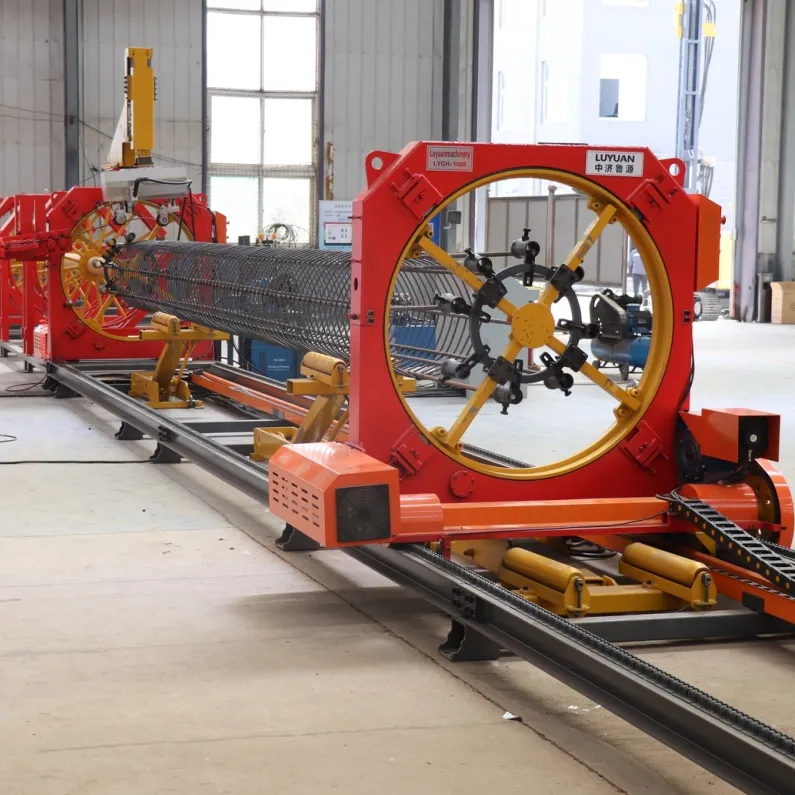

As a supplier, I understand the importance of keeping the vibration level of our rebar cage welding machines in check. That's why we invest a lot of time and resources in research and development. We're constantly looking for ways to improve the design of our machines to reduce vibration.
We also provide training to our customers on how to operate the machines properly. By using the right settings and techniques, they can minimize the vibration and get the best results. For example, we teach them how to select the appropriate welding parameters based on the type of steel bars and the welding requirements.
In addition, we offer regular maintenance services. During these maintenance checks, our technicians can inspect the machine for any signs of excessive vibration and make the necessary adjustments. This helps to ensure that the machine continues to operate smoothly and efficiently.
If you're in the market for a rebar cage welding machine, don't overlook the importance of the vibration level. A machine with a low vibration level will not only give you better - quality welds but also save you money in the long run by reducing the need for repairs and replacements.
If you have any questions about our rebar cage welding machines or want to learn more about how we manage the vibration levels, feel free to reach out. We're always happy to help and discuss your specific needs. Whether you're a small construction company or a large - scale contractor, we've got the right machine for you.
Contact us today to start a conversation about your rebar cage welding needs. We're eager to work with you and provide you with a high - quality, low - vibration rebar cage welding machine that will meet your requirements and exceed your expectations.
References
- Welding Handbook, American Welding Society
- Construction Machinery Vibration Standards, International Organization for Standardization
- Research Papers on Rebar Cage Welding Machine Design, Various Academic Journals