


As a supplier of Steel Bar Cage Welding Machines, I often encounter inquiries about various technical aspects of our products. One topic that frequently comes up is electromagnetic compatibility (EMC). In this blog post, I'll delve into what electromagnetic compatibility means for a steel bar cage welding machine and why it's crucial for both the performance of the machine and the safety of the working environment.
Understanding Electromagnetic Compatibility
Electromagnetic compatibility refers to the ability of an electrical or electronic device to function properly in its electromagnetic environment without causing unacceptable electromagnetic interference to other devices in that same environment. In simpler terms, it's about ensuring that a machine can operate without disrupting other equipment nearby and can also resist interference from other sources.
For a steel bar cage welding machine, EMC is essential because welding involves high - current electrical arcs and rapid switching of electrical circuits. These processes generate electromagnetic fields that can potentially interfere with other electronic devices in the vicinity, such as control systems, sensors, and communication equipment. At the same time, the welding machine itself needs to be able to operate reliably in the presence of electromagnetic noise from other sources, such as power lines, motors, and other industrial equipment.
Sources of Electromagnetic Interference in Steel Bar Cage Welding Machines
There are several sources of electromagnetic interference (EMI) in a steel bar cage welding machine:
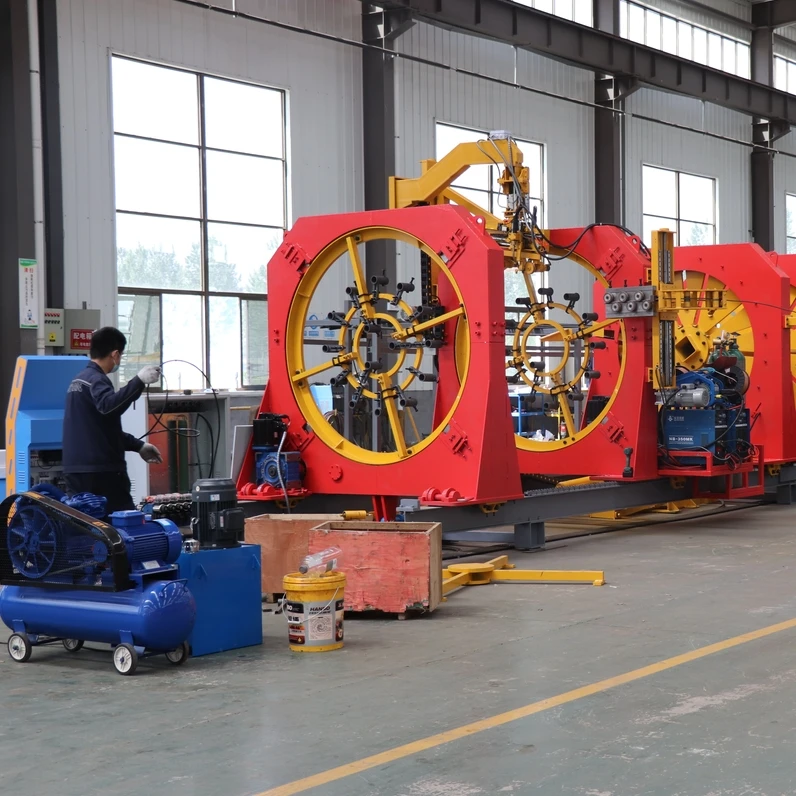
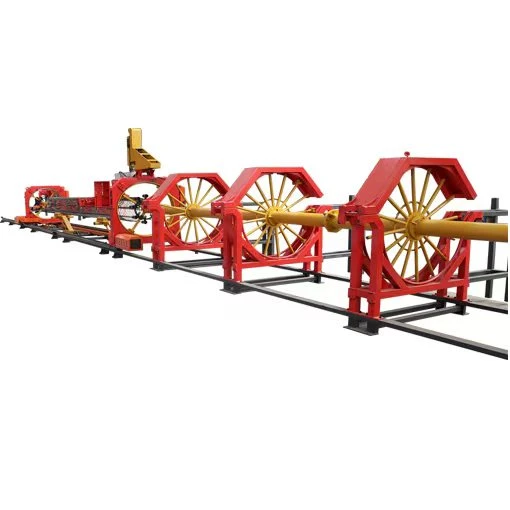
- Welding Arc: The welding arc is a significant source of EMI. When the arc is struck, there is a sudden change in current and voltage, which generates electromagnetic waves across a wide frequency range. These waves can radiate into the surrounding environment and cause interference with other electronic devices.
- Power Supply: The power supply of the welding machine can also be a source of EMI. Switch - mode power supplies, which are commonly used in modern welding machines, operate by rapidly switching the input voltage on and off. This switching action can generate high - frequency noise that can be conducted back into the power grid or radiated into the air.
- Control Circuits: The control circuits of the welding machine, which are responsible for regulating the welding parameters such as current, voltage, and welding time, can also generate EMI. These circuits often use microcontrollers and other electronic components that operate at high frequencies, and any electrical noise generated by these components can be radiated or conducted to other parts of the machine or to nearby devices.
Effects of Electromagnetic Interference
The effects of EMI on a steel bar cage welding machine and other nearby electronic devices can be significant:
- Malfunction of Welding Machine: EMI can cause the welding machine to malfunction. For example, it can disrupt the control circuits, leading to inaccurate welding parameters, such as incorrect current or voltage settings. This can result in poor - quality welds, increased welding defects, and reduced productivity.
- Interference with Other Equipment: EMI from the welding machine can interfere with other electronic devices in the vicinity. This can include control systems in other industrial equipment, communication devices, and safety sensors. Malfunction of these devices can pose a safety risk to workers and can also lead to production downtime.
- Non - compliance with Regulations: In many countries, there are strict regulations regarding electromagnetic emissions from electrical and electronic equipment. If a steel bar cage welding machine does not meet these regulations, it may not be allowed to be sold or used in certain areas.
Ensuring Electromagnetic Compatibility in Steel Bar Cage Welding Machines
To ensure electromagnetic compatibility in steel bar cage welding machines, several measures can be taken:
- Shielding: The welding machine can be enclosed in a shielded cabinet to prevent the radiation of electromagnetic waves. The shielded cabinet is made of a conductive material, such as metal, which can absorb and reflect the electromagnetic waves. This helps to contain the EMI within the cabinet and reduces the interference with other devices.
- Filtering: Filters can be used to reduce the EMI generated by the power supply and other circuits of the welding machine. These filters are designed to block or attenuate high - frequency noise while allowing the desired low - frequency signals to pass through. For example, a power line filter can be installed between the welding machine and the power grid to reduce the conducted EMI.
- Grounding: Proper grounding is essential for reducing EMI. The welding machine should be connected to a good electrical ground to provide a low - impedance path for the return of electrical currents. This helps to prevent the build - up of static charges and reduces the radiation of electromagnetic waves.
- Circuit Design: The circuit design of the welding machine can also be optimized to reduce EMI. For example, the layout of the printed circuit boards can be designed to minimize the length of high - current and high - frequency traces, which can reduce the radiation of electromagnetic waves. Additionally, the use of decoupling capacitors and other passive components can help to reduce the electrical noise in the circuits.
Importance of Electromagnetic Compatibility for Our Customers
As a supplier of Steel Bar Cage Welding Machines, we understand the importance of electromagnetic compatibility for our customers. Here's why:
- Reliability: Ensuring EMC in our welding machines means that they can operate reliably in a variety of industrial environments. This reduces the risk of breakdowns and malfunctions, which can save our customers time and money in terms of maintenance and production downtime.
- Safety: By reducing the electromagnetic interference generated by our welding machines, we help to ensure the safety of the working environment. This is especially important in industries where there are many electronic safety devices and control systems that need to operate correctly.
- Compliance: Our welding machines are designed to meet the relevant electromagnetic compatibility standards and regulations. This means that our customers can use our products with confidence, knowing that they are compliant with the local and international requirements.
Conclusion
Electromagnetic compatibility is a critical aspect of the design and operation of steel bar cage welding machines. By understanding the sources of electromagnetic interference, the effects of EMI, and the measures that can be taken to ensure EMC, we can provide our customers with high - quality welding machines that are reliable, safe, and compliant with the relevant regulations.
If you are in the market for a Steel Bar Cage Welder or a Reinforcement Cage Welding Machine, we invite you to contact us for more information. Our team of experts is ready to assist you in choosing the right welding machine for your specific needs and to answer any questions you may have about electromagnetic compatibility or other technical aspects of our products.
References
- "Electromagnetic Compatibility Engineering" by Henry W. Ott
- "Welding Handbook" published by the American Welding Society