


Hey there! As a supplier of rebar stirrup bending machines, I've got a ton of hands - on experience with these nifty pieces of equipment. Today, I'm gonna break down the main components of a rebar stirrup bending machine for you.
1. The Frame
First off, we've got the frame. Think of it as the backbone of the machine. It's like the foundation of a house; without a solid one, the whole thing's gonna fall apart. The frame is usually made of heavy - duty steel. This steel is tough as nails and can withstand a whole lot of stress and vibration during the bending process.
The frame provides a stable base for all the other components. It holds everything in place, making sure that the machine doesn't wobble or shake when it's bending those thick rebars. A well - built frame also contributes to the overall safety of the machine. If it's flimsy, there's a risk of it breaking under pressure, which could lead to some serious accidents. So, when you're looking at Rebar Bender, pay close attention to the quality of the frame.
2. The Motor
Next up is the motor. You can't have a rebar stirrup bending machine without a powerful motor. It's the heart that pumps life into the whole operation. The motor provides the necessary power to drive the bending mechanism.
There are different types of motors used in these machines. Some use electric motors, which are great because they're relatively quiet, easy to control, and don't produce any emissions. Others might use hydraulic motors, which are known for their high torque and ability to handle heavy - duty bending tasks.
The size and power of the motor depend on the size and capacity of the machine. A machine that's designed to bend thick and long rebars will need a more powerful motor than one that's used for smaller - scale jobs. When you're in the market for a Reinforcement Bending Machine, make sure to check the motor specifications to ensure it can handle your workload.
3. The Bending Dies
The bending dies are super important components. They're the parts that actually come into contact with the rebar and shape it into the desired stirrup. These dies are usually made of high - strength alloy steel. This type of steel can withstand the high pressure and friction that occurs during the bending process without wearing out too quickly.
There are different shapes and sizes of bending dies available, depending on the type of stirrup you want to make. For example, if you need to make square stirrups, you'll use a different die than if you're making circular ones. Some machines come with a set of interchangeable dies, which gives you more flexibility in the types of stirrups you can produce.
The quality of the bending dies can have a big impact on the final product. If the dies are poorly made, the stirrups might not have the right shape or dimensions, which could affect the structural integrity of the construction project. So, when you're considering a Rebar Bending Machine, look into the quality of the bending dies it comes with.
4. The Feed System
The feed system is responsible for moving the rebar into the bending area. It needs to be precise and reliable. There are two main types of feed systems: manual and automatic.
Manual feed systems require an operator to manually push the rebar into the machine. This is suitable for small - scale operations or when you need to make a small number of stirrups. However, it can be time - consuming and labor - intensive.
Automatic feed systems, on the other hand, use a conveyor or a set of rollers to move the rebar automatically. This is much faster and more efficient, especially for large - scale production. It also reduces the risk of human error, as the machine can measure and feed the rebar to the exact length required for each stirrup.
5. The Control Panel
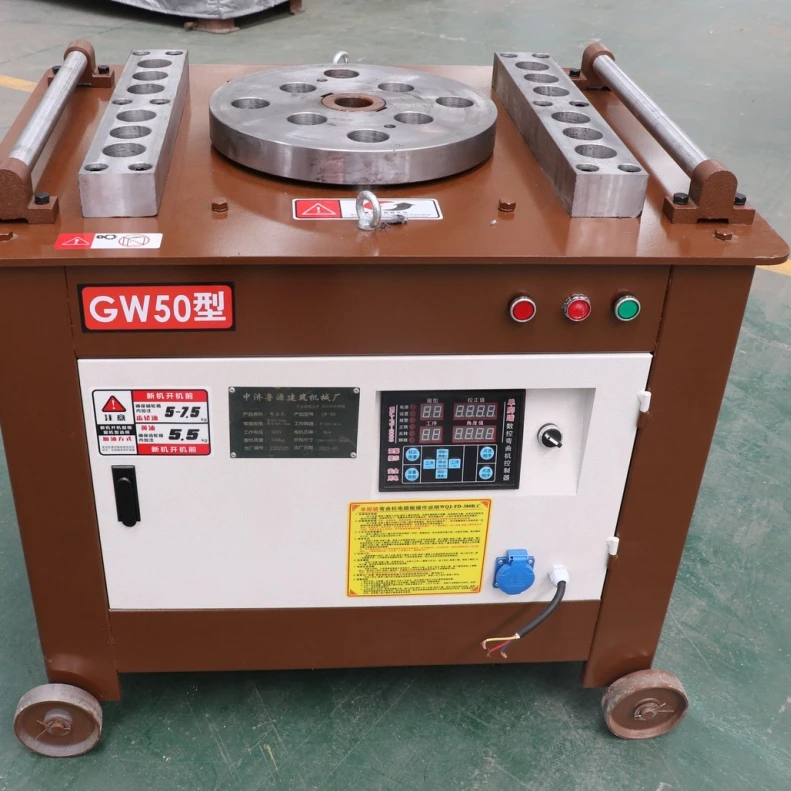
The control panel is like the brain of the machine. It allows the operator to control all the functions of the rebar stirrup bending machine. On the control panel, you can set the bending angle, the length of the stirrup, and the speed of the machine.
Most modern control panels are digital, which makes them easy to use. They have a clear display that shows all the settings and the current status of the machine. Some control panels even have pre - set programs for common stirrup shapes, which can save a lot of time and effort.
The control panel also plays an important role in safety. It usually has emergency stop buttons and other safety features to prevent accidents. If something goes wrong during the operation, the operator can quickly stop the machine using the control panel.
6. The Hydraulic System (if applicable)
Some rebar stirrup bending machines use a hydraulic system. This system uses hydraulic fluid to transfer power and control the movement of the bending mechanism.
The hydraulic system consists of a hydraulic pump, hydraulic cylinders, and a set of valves. The pump pressurizes the hydraulic fluid, which then flows into the cylinders to move the bending dies. The valves control the flow and pressure of the fluid, allowing for precise control of the bending process.
Hydraulic systems are known for their high power and smooth operation. They can handle heavy - duty bending tasks with ease and provide a more consistent bending result. However, they also require regular maintenance to keep them in good working condition.

7. The Safety Guards
Safety is always a top priority when it comes to operating a rebar stirrup bending machine. That's why safety guards are an essential component. These guards are designed to protect the operator from moving parts and flying debris.
There are different types of safety guards, including guards around the bending area, the motor, and the feed system. They are usually made of strong materials like steel or plastic. Some safety guards are fixed, while others can be opened for maintenance or when loading and unloading the rebar.
Make sure that the Rebar Bender you choose has proper safety guards in place. It's not only a matter of compliance with safety regulations but also a way to protect your workers from potential injuries.
In conclusion, a rebar stirrup bending machine is made up of several important components, each playing a crucial role in its operation. Whether you're in the construction industry or involved in a DIY project, having a good understanding of these components can help you choose the right machine for your needs.
If you're interested in purchasing a rebar stirrup bending machine, we're here to help. We've got a wide range of high - quality machines that can meet different requirements. Don't hesitate to get in touch with us for more information and to start a purchase negotiation. We'll work with you to find the perfect machine for your project.
References
- Industry standards and guidelines for rebar bending machines
- Manufacturer's manuals and technical specifications for rebar stirrup bending machines
- Personal experience and knowledge gained from working as a rebar stirrup bending machine supplier