


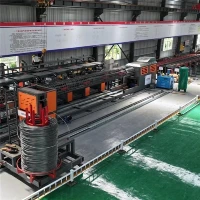
Hey there! As a supplier of rebar stirrup bending machines, I've seen firsthand how optimizing the operation process can make a huge difference in productivity and efficiency. In this blog post, I'll share some tips and tricks on how to get the most out of your rebar stirrup bending machine.
1. Pre - operation Preparation
Before you start bending those rebars, you need to do some prep work. First off, make sure you've got the right machine for the job. We offer a variety of machines, like the Rebar Bender, Reinforcement Bending Machine, and Steel Bar Bender. Each is designed for different types of rebar and bending requirements.
Inspect the machine thoroughly. Check for any loose parts, damaged belts, or signs of wear and tear. Make sure all the safety guards are in place and working properly. It's also a good idea to clean the machine to remove any dirt, debris, or rust that could affect its performance.
Measure and cut the rebars to the correct length. This is crucial because it saves time during the bending process. You don't want to be constantly stopping to adjust the length of the rebar while the machine is running.
2. Machine Setup
Once you've done the pre - operation checks, it's time to set up the machine. First, adjust the bending angle. Most of our rebar stirrup bending machines allow you to set the angle precisely. Use a protractor or the machine's built - in angle indicator to make sure you're getting the right angle every time.
Next, select the appropriate bending die. Different bending dies are used for different rebar diameters and shapes. Using the wrong die can lead to poor bending quality or even damage the machine.
Set the feeding speed. A too - fast feeding speed can cause the rebar to jam or result in uneven bends, while a too - slow speed can reduce productivity. Find the sweet spot based on the type of rebar and the complexity of the bend.
3. Operator Training
Your operators play a key role in optimizing the operation process. Make sure they're well - trained on how to use the rebar stirrup bending machine. Provide them with comprehensive training that covers everything from basic machine operation to troubleshooting common problems.
Teach them the importance of safety. Safety should always be the top priority when operating any machinery. Operators should wear appropriate personal protective equipment (PPE), such as safety glasses, gloves, and steel - toed boots.
Encourage them to keep an eye on the machine's performance during operation. They should be able to detect any abnormal noises, vibrations, or changes in the bending quality and take immediate action.
4. Maintenance and Lubrication
Regular maintenance is essential for keeping your rebar stirrup bending machine in top condition. Follow the manufacturer's maintenance schedule. This usually includes tasks like checking the oil level, tightening bolts, and inspecting the electrical system.
Lubricate the moving parts regularly. Proper lubrication reduces friction, which in turn extends the lifespan of the machine and improves its performance. Use the recommended lubricant for your specific machine.
Keep spare parts on hand. Having common spare parts like belts, bearings, and bending dies readily available can minimize downtime in case of a breakdown.
5. Quality Control
Implement a quality control system to ensure that the bent rebars meet the required standards. Inspect the bent rebars regularly for any defects, such as cracks, uneven bends, or incorrect angles.
Use measuring tools like calipers and angle gauges to verify the dimensions of the bent rebars. If you find any non - conforming products, stop the machine immediately and identify the cause. It could be an issue with the machine setup, the rebar material, or the operator's technique.
6. Process Optimization through Data Analysis
Collect data on the operation process, such as the number of bent rebars per hour, the percentage of defective products, and the machine's energy consumption. Analyze this data to identify areas for improvement.
For example, if you notice a high percentage of defective products during a particular shift, you can investigate whether it's due to operator fatigue, a problem with the machine settings, or a change in the rebar material.
Use the data to make informed decisions about machine adjustments, operator training, and process improvements. By continuously analyzing and optimizing the process, you can increase productivity and reduce costs.


7. Workflow Optimization
Organize your workspace efficiently. Arrange the rebars in an orderly manner so that they can be easily fed into the machine. Have a designated area for the bent rebars to be stored, which makes it easier to transport them to the next stage of the construction process.
Coordinate with other departments or teams involved in the project. For example, if the bent rebars are going to be used in a concrete pouring project, make sure the schedule is coordinated so that the rebars are ready when needed.
8. Continuous Improvement
The operation process of a rebar stirrup bending machine is not static. There's always room for improvement. Encourage your team to come up with new ideas for optimizing the process. They might have insights based on their daily experience with the machine.
Stay updated on the latest technological advancements in rebar bending machines. Newer models may offer features like automated programming, higher precision, and better energy efficiency. Consider upgrading your machines if it makes sense from a cost - benefit perspective.
In conclusion, optimizing the operation process of a rebar stirrup bending machine involves a combination of pre - operation preparation, proper machine setup, operator training, maintenance, quality control, data analysis, workflow optimization, and continuous improvement. By following these tips, you can significantly increase the productivity and efficiency of your rebar bending operations.
If you're interested in learning more about our rebar stirrup bending machines or need help with optimizing your operation process, feel free to reach out. We're always happy to assist you in making the most of your investment.
References
- General knowledge and experience in the rebar stirrup bending machine industry.
- Manufacturer's manuals for rebar stirrup bending machines.