


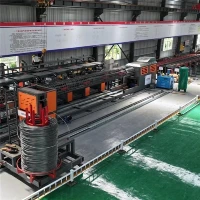
Hey there! As a supplier of rebar cage welding machines, I know firsthand how important it is to keep these machines clean. A well - maintained rebar cage welding machine not only performs better but also has a longer lifespan. In this blog, I'll share some tips on how to clean a rebar cage welding machine properly.
Why Cleaning is Crucial
Before we dive into the cleaning process, let's talk about why it's so important. When you're using a Reinforcement Cage Welding Machine, it gets exposed to all sorts of debris, dust, and welding spatter. If you don't clean it regularly, this build - up can cause a bunch of problems. For example, it can affect the machine's electrical components, leading to malfunctions or even short - circuits. It can also make the moving parts of the machine work harder, increasing wear and tear and potentially reducing its overall efficiency.
Pre - Cleaning Preparation
First things first, safety is always the top priority. Before you start cleaning your rebar cage welding machine, make sure it's completely turned off and unplugged. This will prevent any accidental starts or electrical shocks. You should also wear appropriate protective gear, like gloves and safety glasses, to protect yourself from any sharp edges or debris.
Next, gather all the cleaning supplies you'll need. You'll typically need a soft - bristle brush, a clean cloth, a mild detergent, and some compressed air if possible. The soft - bristle brush will be used to gently remove loose debris, while the cloth and detergent will be for wiping down the surfaces. Compressed air can be great for getting into hard - to - reach areas and blowing out dust.
Cleaning the Exterior
Let's start with the exterior of the machine. Use the soft - bristle brush to gently sweep away any loose dirt, dust, or welding spatter from the surface of the machine. Pay special attention to the corners and crevices where debris tends to accumulate. Once you've removed the loose debris, dampen a clean cloth with a mild detergent solution. Make sure the cloth isn't too wet, as you don't want any water to seep into the machine's electrical components.


Wipe down the entire exterior of the machine with the damp cloth, using gentle, circular motions. This will help to remove any stubborn dirt or grime. After wiping, use a dry part of the cloth to dry the surface thoroughly. This is important because any remaining moisture can cause rust or corrosion over time.
Cleaning the Electrical Components
The electrical components of the rebar cage welding machine are delicate and need to be handled with extra care. If you're not confident in your abilities to clean these parts, it might be a good idea to consult a professional. However, if you feel comfortable doing it yourself, start by using the compressed air to blow out any dust from the electrical panels and connectors. Make sure to hold the can of compressed air upright and keep a safe distance from the components to avoid any damage.
After using the compressed air, you can use a clean, dry cloth to gently wipe the surfaces of the electrical components. Avoid using any liquids on the electrical parts unless specifically recommended by the machine's manufacturer. If you notice any signs of damage, like frayed wires or loose connections, it's important to have them repaired as soon as possible.
Cleaning the Welding Area
The welding area of the rebar cage welding machine is where a lot of the action happens, and it can get pretty dirty. Start by using the soft - bristle brush to remove any welding spatter from the welding electrodes and the surrounding area. You may need to be a bit more forceful with the brush in this area, but still be careful not to damage the electrodes.
Once you've removed the loose spatter, dampen a cloth with a mild detergent solution and wipe down the welding area. This will help to remove any remaining residue. Rinse the cloth and wipe the area again with clean water to remove any detergent. Then, dry the area thoroughly with a dry cloth.
Cleaning the Moving Parts
The moving parts of the rebar cage welding machine, such as the gears and chains, need to be kept clean to ensure smooth operation. Use the soft - bristle brush to remove any dirt or debris from these parts. You can also use a small amount of lubricant on the moving parts after cleaning to reduce friction and wear. However, make sure to use the lubricant recommended by the machine's manufacturer, as using the wrong type of lubricant can cause problems.
Cleaning the Interior
If your rebar cage welding machine has an accessible interior, you can use compressed air to blow out any dust and debris from inside. Be careful not to blow the debris into other parts of the machine. You can also use the soft - bristle brush to gently clean any surfaces that you can reach. Just like with the exterior, make sure to dry the interior thoroughly to prevent rust and corrosion.
Post - Cleaning Checks
Once you've finished cleaning the rebar cage welding machine, it's a good idea to do a final check. Inspect all the components to make sure they're clean and in good condition. Check for any signs of damage or wear that you may have missed during the cleaning process. Also, make sure all the parts are properly reassembled and tightened if necessary.
Before you plug the machine back in and turn it on, double - check that everything is in order. This will help to ensure that the machine operates safely and efficiently.
Regular Maintenance Schedule
To keep your rebar cage welding machine in top shape, it's important to establish a regular cleaning and maintenance schedule. Depending on how often you use the machine, you may need to clean it weekly, monthly, or quarterly. A regular schedule will help to prevent the build - up of dirt and debris and keep the machine running smoothly for years to come.
Conclusion
Cleaning your rebar cage welding machine is an essential part of its maintenance. By following these steps and establishing a regular cleaning schedule, you can ensure that your machine operates at its best and has a long lifespan. If you have any questions about cleaning or maintaining your Reinforcement Cage Welder or Steel Bar Cage Welder, don't hesitate to reach out. We're here to help you get the most out of your machine.
If you're in the market for a new rebar cage welding machine or looking to upgrade your existing one, we'd love to have a chat with you. Contact us to discuss your specific needs and we can provide you with the best solutions for your business.
References
- General knowledge from years of experience as a rebar cage welding machine supplier.
- Manufacturer's manuals for rebar cage welding machines.