


Hey there! I'm a supplier of rebar bending lines, and one question I get asked a lot is, "How long does it take to install a rebar bending line?" Well, it's not a one - size - fits - all answer, and there are several factors that come into play.
Factors Affecting Installation Time
1. Type of Rebar Bending Line
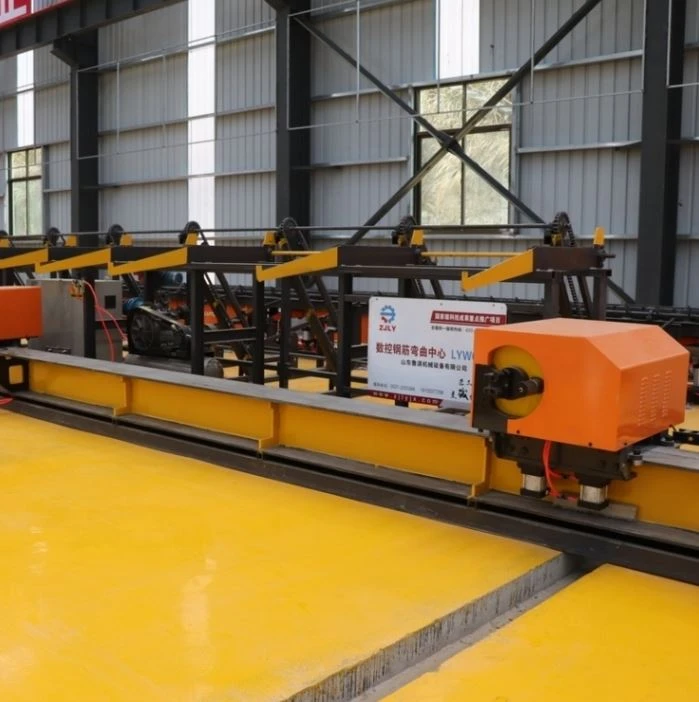
First off, the type of rebar bending line you choose makes a big difference. For instance, a Fully Automatic Steel Bar Bending Line is a complex piece of machinery. It comes with advanced automation features, which means more components and a more intricate installation process. On average, installing a fully automatic line can take anywhere from 3 to 5 days. This is because it requires precise calibration of the control systems, alignment of the bending mechanisms, and integration of the feeding and cutting units.
On the other hand, a Steel Bar Horizontal Bend Center is a bit simpler in design. It has fewer components and a more straightforward installation process. You're looking at about 2 to 3 days for installation. The horizontal design means that the alignment and setup are relatively easier compared to some other types.
Then there's the 6 - 32mm Automatic Vertical Rebar Bending Line With Two Bending Molds. This line is designed for specific rebar sizes and has a vertical configuration. The installation time for this type usually falls between 2.5 to 4 days. The vertical setup requires careful positioning to ensure proper bending and feeding of the rebar.
2. Site Preparation
The condition of the installation site is crucial. If the site is already level, has proper power supply, and adequate space, the installation will go much faster. But if the site needs to be prepared, like leveling the floor, installing electrical connections, or making room for the equipment, it can add a significant amount of time. For example, if the floor is uneven, it might take a day or two to level it properly. And if the power supply needs to be upgraded, that could add another day or so.
3. Experience of the Installation Team
The skills and experience of the installation team play a huge role. A well - trained and experienced team can complete the installation much faster than a less experienced one. An experienced team knows the ins and outs of the equipment, can troubleshoot problems quickly, and can work efficiently. They can also anticipate potential issues and take preventive measures. On the other hand, a less experienced team might take longer to understand the installation process, make mistakes, and have to repeat some steps.
The Installation Process
Let's break down the installation process into steps to get a better idea of how long each part might take.
Step 1: Unloading and Positioning
This is the first step where the equipment is unloaded from the transport vehicle and positioned at the installation site. Depending on the size and weight of the rebar bending line, this can take half a day to a full day. For larger and heavier lines, special lifting equipment might be required, which can slow down the process.
Step 2: Assembly
Once the equipment is in place, the assembly process begins. This involves putting together different components like the bending heads, feeding systems, and control panels. For a fully automatic line, this can take 1 to 2 days. For simpler lines, it might take only half a day to a day.
Step 3: Electrical and Mechanical Connections
Connecting the electrical and mechanical parts is a critical step. This includes wiring the control systems, connecting the motors, and ensuring all the mechanical linkages are properly attached. This step can take about a day for most lines.
Step 4: Calibration and Testing
After the assembly and connections are done, the equipment needs to be calibrated and tested. This involves setting the bending angles, adjusting the feeding speed, and running test bends to ensure everything is working correctly. This step can take half a day to a full day, depending on how smoothly the calibration goes.
Tips to Speed Up Installation
If you're looking to get your rebar bending line up and running as quickly as possible, here are some tips:
- Prepare the site in advance: Make sure the site is level, has proper power supply, and enough space before the equipment arrives.
- Hire an experienced installation team: A good team can save you a lot of time and headaches.
- Have all the necessary tools and materials ready: This includes things like wrenches, screwdrivers, and spare parts.
Conclusion
So, to answer the question, "How long does it take to install a rebar bending line?" It can range from 2 to 5 days, depending on the type of line, site conditions, and the experience of the installation team. If you're in the market for a rebar bending line and want to know more about the installation process or have any other questions, don't hesitate to get in touch. We're here to help you make the best decision for your business.

References
- Industry knowledge and experience from years of supplying rebar bending lines.
- Manufacturer's installation guides for different types of rebar bending lines.