


Does a Hydraulic Steel Bar Cut Line Require Special Lubrication?
As a supplier of hydraulic steel bar cut lines, I've been frequently asked whether these machines need special lubrication. In this blog, I'll delve into this topic, exploring the reasons behind the potential need for special lubrication, the types of lubricants that might be suitable, and the benefits of proper lubrication for hydraulic steel bar cut lines.
First, let's understand the working mechanism of a hydraulic steel bar cut line. These machines are designed to cut steel bars with high precision and efficiency. The hydraulic system plays a crucial role in powering the cutting process. It uses hydraulic fluid to transfer force and energy, enabling the cutting blades to exert a large amount of pressure on the steel bars. During operation, the components of the hydraulic system, such as pumps, valves, cylinders, and hoses, are subject to significant stress and friction.
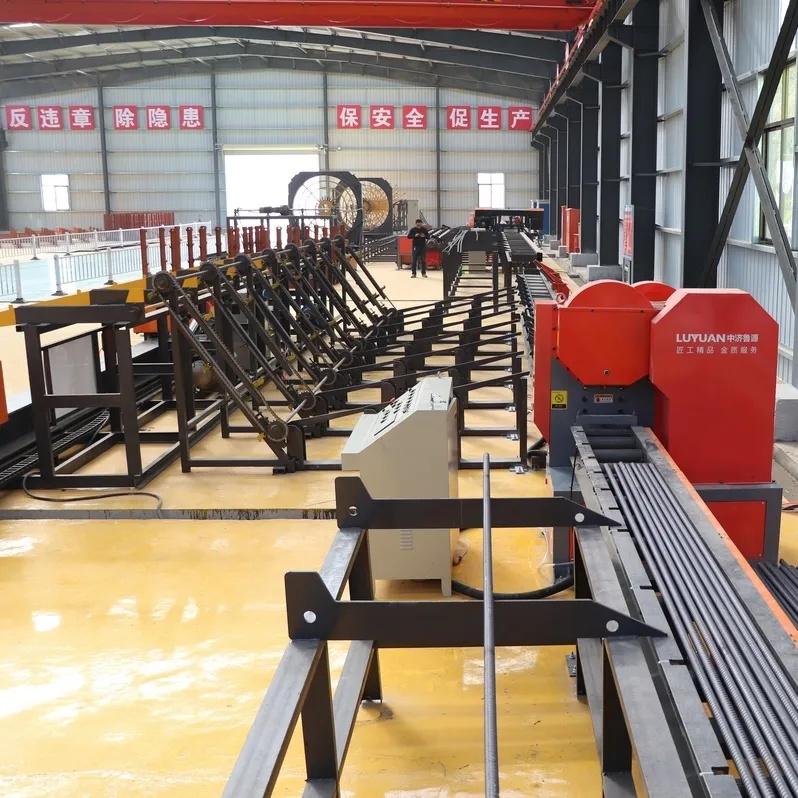

The question of whether special lubrication is required boils down to the unique demands of the hydraulic steel bar cut line. The environment in which these machines operate is often harsh, with high temperatures, heavy loads, and exposure to dust and debris. Regular lubricants may not be sufficient to withstand these conditions and provide adequate protection for the components.
One of the main reasons for using special lubrication is to reduce friction and wear. Friction between moving parts can cause excessive heat generation, which can lead to premature component failure. Special lubricants are formulated with additives that have excellent anti - friction and anti - wear properties. These additives form a protective film on the surfaces of the components, reducing the direct contact between them and minimizing wear.
For example, in the hydraulic cylinders of a steel bar cut line, the piston moves back and forth under high pressure. Without proper lubrication, the seals can wear out quickly, leading to hydraulic fluid leakage and a decrease in the machine's performance. Special lubricants can help maintain the integrity of the seals and ensure smooth operation of the cylinders.
Another important aspect is the ability of the lubricant to resist oxidation. In a high - temperature environment, regular lubricants can oxidize rapidly, forming sludge and varnish. These deposits can clog the hydraulic system, reducing its efficiency and potentially causing damage to the components. Special lubricants are designed to have high oxidation resistance, ensuring long - term stability and reliable performance of the hydraulic system.
Now, let's look at the types of special lubricants that are commonly used in hydraulic steel bar cut lines.
Hydraulic Fluids: These are specifically formulated for hydraulic systems. They have the right viscosity to ensure proper flow and pressure transfer. Some hydraulic fluids are designed for high - temperature applications, while others are suitable for cold environments. When choosing a hydraulic fluid, it's important to consider the operating temperature range, the type of hydraulic system, and the manufacturer's recommendations.
Greases: Greases are often used for lubricating bearings, joints, and other components that require long - term lubrication. They have a higher viscosity than oils and can stay in place for longer periods. Special greases for steel bar cut lines may contain additives such as molybdenum disulfide or graphite, which provide excellent lubrication under heavy loads.
The benefits of using special lubrication in a hydraulic steel bar cut line are numerous.
Improved Performance: By reducing friction and wear, special lubricants allow the machine to operate more smoothly and efficiently. This results in faster cutting speeds, higher precision, and better overall performance.
Extended Component Life: Proper lubrication protects the components from premature failure, reducing the need for frequent replacements. This not only saves on maintenance costs but also minimizes downtime, ensuring continuous production.
Reduced Maintenance Costs: With less wear and tear on the components, the frequency of maintenance and repairs is reduced. Special lubricants also help prevent system failures, which can be costly to fix.
Enhanced Safety: A well - lubricated hydraulic steel bar cut line is less likely to malfunction, reducing the risk of accidents in the workplace.
As a supplier of Hydraulic Steel Bar Shear Line, Hydraulic Reinforcement Cut Line, and Hydraulic Rebar Cut Line, I highly recommend using special lubrication for these machines. We understand the importance of providing high - quality products and ensuring their long - term reliability.
If you're in the market for a hydraulic steel bar cut line or need advice on lubrication, we're here to help. Our team of experts can provide you with detailed information about the best lubricants for your specific application and guide you through the selection process. We're committed to providing you with the best solutions to meet your needs and ensure the success of your operations. Contact us today to start a discussion about your requirements and explore the possibilities of working together.
In conclusion, a hydraulic steel bar cut line does require special lubrication to operate at its best. The harsh operating conditions, the high demands on the hydraulic system, and the need for long - term reliability all point to the importance of using the right lubricants. By investing in special lubrication, you can improve the performance, extend the life, and reduce the maintenance costs of your hydraulic steel bar cut line.
References
- "Hydraulic Systems Handbook" by Jack B. Parker
- "Lubrication Fundamentals" by J. George Wills
- Manufacturer's manuals for hydraulic steel bar cut lines